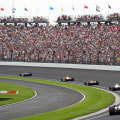
In the fast-paced world of auto racing events, the role of a race director is pivotal to ensuring that everything runs smoothly and safely. This individual is not just a figurehead; they are the linchpin of the entire operation, responsible for overseeing all aspects of the race from start to finish. The race director's decisions can significantly impact the outcome of the event, making their role both challenging and crucial. The race director is tasked with enforcing the rules and regulations that govern the sport, ensuring that all participants adhere to safety protocols and competitive standards. This includes monitoring track conditions, managing pit stops, and coordinating with various teams to maintain a fair playing field.
Their ability to make quick, informed decisions can mean the difference between a successful event and a chaotic one. Moreover, the importance of a race director extends beyond just managing the race itself. They serve as a vital communication link between drivers, teams, and officials, facilitating dialogue that is essential for resolving disputes and addressing any issues that may arise during the event. In essence, the race director embodies leadership and authority in an environment where precision and timing are everything.
Key Responsibilities of a Race Director
The role of a race director in an auto racing event is pivotal to ensuring the smooth operation and safety of the race. Their responsibilities can be categorized into three main phases: pre-event, during the event, and post-event.Pre-Event Responsibilities
- Planning and Coordination: The race director collaborates with various stakeholders, including teams, sponsors, and officials, to establish a comprehensive plan for the event.
- Safety Inspections: Conducting thorough inspections of the track and facilities to ensure compliance with safety regulations is crucial.
This includes checking barriers, pit areas, and emergency services readiness.
- Rule Enforcement: The race director is responsible for communicating the rules and regulations to all participants, ensuring everyone understands their obligations before the race begins.
During the Event
- Race Management: The race director oversees the entire event, making real-time decisions regarding race starts, restarts, and any necessary interruptions due to accidents or weather conditions.
- Communication: Maintaining clear communication with teams, drivers, and officials is essential. The race director uses radio systems to relay important information and updates throughout the event.
- Enforcement of Rules: Monitoring compliance with racing regulations during the event is a key duty. The race director has the authority to impose penalties for infractions, ensuring fair competition.
Post-Event Duties
- Results Verification: After the race concludes, the race director verifies results and ensures that all data is accurate before official announcements are made.
- Incident Review: Conducting a thorough review of any incidents that occurred during the race helps improve future events. This includes analyzing crashes or rule violations.
- Feedback Collection: Gathering feedback from teams and officials allows for continuous improvement in race management practices.
Their expertise not only enhances the experience for participants but also ensures that spectators enjoy a thrilling yet secure environment.
The Race Director's Role Before the Event
The role of a race director in an auto racing event begins long before the engines roar to life. Their pre-race responsibilities are crucial for ensuring a smooth and safe event. Here are some key aspects of their preparatory work:- Logistics Planning: The race director coordinates all logistical elements, including the layout of the track, pit areas, and spectator zones. This involves working closely with local authorities and venue management to ensure compliance with regulations.
- Safety Measures: One of the primary responsibilities is to establish safety protocols.
This includes assessing potential hazards on the track, ensuring that safety barriers are in place, and that emergency services are prepared for any incidents that may occur during the race.
- Team Coordination: The race director communicates with all participating teams to outline rules, schedules, and any specific requirements for the event. This ensures that everyone is on the same page and understands their roles during the race.
- Weather Considerations: Monitoring weather conditions is vital. The race director must be prepared to make quick decisions regarding delays or cancellations due to adverse weather, prioritizing the safety of drivers and spectators alike.
- Pre-Race Meetings: Organizing meetings with team representatives, officials, and volunteers helps clarify expectations and address any concerns before the event begins. These meetings are essential for fostering communication and teamwork.
From meticulous planning to effective communication, their efforts lay the groundwork for a thrilling and safe racing experience.
The Race Director's Role During the Event
The role of the race director during an auto racing event is pivotal to the success and safety of the competition. On race day, the race director is responsible for overseeing all aspects of the event, ensuring that everything runs smoothly and according to the established rules.Race Day Responsibilities
- Pre-Race Briefing: Before the race begins, the race director conducts a briefing with all officials, teams, and drivers to outline the day’s schedule, safety protocols, and any specific regulations that need to be emphasized.
- Monitoring Conditions: The race director continuously monitors track conditions, weather changes, and any incidents that may arise during the event. This vigilance is crucial for making real-time decisions that affect the race.
- Decision-Making: In the event of accidents or rule infractions, the race director must make quick decisions regarding penalties, cautions, or even race stoppages. Their judgment can significantly impact the outcome of the race.
Live Event Management
During the race, effective communication is essential.
The race director maintains constant contact with other officials via radio to relay information about incidents on track and to coordinate responses. This includes:
- Flagging: The race director oversees the use of flags to communicate with drivers about track conditions or incidents. For example, a yellow flag indicates caution due to an accident, while a red flag signals a stop in racing.
- Team Coordination: They also communicate with team managers and drivers to ensure everyone is aware of any changes or important updates throughout the event.
Race Oversight
The overarching responsibility of the race director is to ensure that safety remains a top priority. This includes:
- Enforcing Safety Regulations: The race director ensures that all safety protocols are followed by teams and drivers, including proper use of safety gear and adherence to vehicle specifications.
- Post-Race Review: After the event concludes, the race director often participates in reviewing incidents and decisions made during the race to improve future events.
The Race Director's Role After the Event
Once the auto racing event concludes, the role of the race director shifts to a critical phase of post-race analysis.This stage is essential for ensuring that all aspects of the event are thoroughly reviewed and any necessary improvements are identified.
Post-Race Analysis
The race director leads the post-race analysis, which involves a comprehensive review of the race's performance metrics. This includes examining lap times, pit stop efficiency, and driver behavior on the track. By analyzing these factors, the race director can identify trends and areas for improvement for future events.Event Debriefing
Following the analysis, the race director conducts an event debriefing with key personnel, including team managers, officials, and safety crews. This meeting serves as a platform to discuss any incidents that occurred during the race, such as accidents or rule infractions.The race director facilitates open communication to ensure that all perspectives are considered, fostering a collaborative environment for learning.
Results Management
Another vital responsibility of the race director after an auto racing event is results management. This involves verifying and officially recording the race results, ensuring accuracy in timing and scoring. The race director must also address any disputes or protests that arise regarding the results. This process is crucial for maintaining fairness and integrity in the sport.In summary, the role of a race director extends beyond just overseeing the event itself; it encompasses a thorough evaluation of performance and incidents post-race.By conducting detailed analyses, facilitating debriefings, and managing results effectively, the race director plays a pivotal role in enhancing future auto racing events.
Skills and Qualities of an Effective Race Director
In the fast-paced world of auto racing events, the role of a race director is pivotal, requiring a unique blend of skills and personal qualities. An effective race director must possess strong leadership abilities, as they are responsible for guiding teams, drivers, and officials through the complexities of race day.- Communication Skills: Clear and concise communication is essential. A race director must convey instructions effectively to various stakeholders, including drivers, pit crews, and officials. This ensures that everyone is on the same page, especially during critical moments.
- Decision-Making Ability: The ability to make quick and informed decisions is crucial.
Race directors often face unexpected situations that require immediate action, such as weather changes or accidents on the track.
- Problem-Solving Skills: Challenges are inevitable in auto racing events. A successful race director must be adept at identifying problems and implementing solutions swiftly to maintain safety and fairness.
- Attention to Detail: From monitoring track conditions to ensuring compliance with regulations, a keen eye for detail helps prevent issues that could jeopardize the event.
- Leadership Qualities: A good race director inspires confidence and respect among team members. They should foster a collaborative environment where everyone feels valued and motivated to perform their best.
- Knowledge of Racing Regulations: An in-depth understanding of racing rules and regulations is vital. This knowledge not only helps in enforcing rules but also in educating teams about compliance.
- Emotional Intelligence: The ability to manage stress and remain calm under pressure is essential.
A race director must navigate high-stakes situations while maintaining a level head.
Challenges Faced by Race Directors in Auto Racing Events
The role of a race director in an auto racing event is multifaceted, and it comes with a unique set of challenges that require quick thinking, effective communication, and strong leadership skills. One of the primary difficulties faced by race directors is managing crises. Crises can arise from various sources, including adverse weather conditions, accidents on the track, or technical failures.Each of these situations demands immediate attention and decisive action to ensure the safety of drivers and spectators alike.Another significant challenge is ensuring compliance with regulations. Race directors must be well-versed in the rules set forth by governing bodies such as the FIA or NASCAR. This includes overseeing vehicle inspections, monitoring team compliance during the race, and enforcing penalties when necessary. Failure to uphold these regulations can lead to serious consequences for both the event and the participants.Additionally, race directors often face logistical hurdles.
Organizing an auto racing event involves coordinating numerous elements, from scheduling practice sessions to managing pit stops and ensuring that all personnel are in their designated positions. Any miscommunication or oversight can disrupt the flow of the event and impact its overall success.Moreover, race directors must navigate public relations challenges. They are often the face of the event, responsible for addressing media inquiries and managing public perception. This requires not only a deep understanding of the sport but also the ability to communicate effectively under pressure.In summary, the challenges faced by race directors in auto racing events are diverse and complex.
From crisis management to regulatory compliance and logistical coordination, their ability to handle these difficulties is crucial for ensuring a safe and successful racing experience for everyone involved.
Frequently Asked Questions About Race Directors in Auto Racing Events
The role of a race director in an auto racing event is crucial for ensuring the smooth operation and safety of the race. Here are some frequently asked questions that help clarify their responsibilities:- What are the primary responsibilities of a race director?
The race director oversees all aspects of the event, including enforcing rules, managing race officials, and ensuring that safety protocols are followed. They are also responsible for making decisions regarding race starts, restarts, and any penalties that may be necessary. - How does a race director ensure safety during an auto racing event?
Safety is a top priority for a race director. They conduct pre-race inspections, monitor track conditions, and coordinate with emergency services.In case of accidents or hazardous conditions, the race director has the authority to halt the race to protect drivers and spectators.
- Can a race director change the rules during an event?
While a race director has significant authority, they typically cannot change the rules mid-event without prior notice. However, they can make decisions based on unforeseen circumstances to maintain fairness and safety. - What qualifications does a race director need?
A successful race director usually has extensive experience in auto racing, often having worked in various roles within the sport. They should possess strong leadership skills, a deep understanding of racing regulations, and excellent communication abilities. - How does a race director communicate with teams and drivers?
Communication is key in an auto racing event. Race directors use radios to communicate with teams and officials during the race.They also hold briefings before the event to ensure everyone understands the rules and expectations.
Conclusion: The Vital Role of Race Directors in Auto Racing Events
In conclusion, the role of a race director in an auto racing event is multifaceted and crucial for the overall success and safety of the competition. Throughout this article, we have explored various responsibilities that highlight the importance of this position. Race directors are not only responsible for enforcing rules and regulations but also for ensuring that all participants adhere to safety protocols. Their ability to make quick decisions during critical moments can significantly impact the outcome of a race and the well-being of drivers and spectators alike.- Leadership: A race director must exhibit strong leadership skills, guiding teams and officials to work cohesively towards a common goal.
- Communication: Effective communication with drivers, teams, and officials is essential for maintaining order and clarity throughout the event.
- Problem-Solving: The ability to swiftly address unforeseen issues, such as accidents or weather changes, is vital in keeping the event on track.
By ensuring fair play and upholding the integrity of the sport, they contribute to the long-term success of auto racing events.Ultimately, the effectiveness of a race director can be seen in the smooth execution of an event, where safety, excitement, and sportsmanship come together. As we look to the future of auto racing, it is clear that skilled race directors will continue to be at the forefront, shaping memorable experiences for all involved.