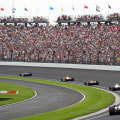
Auto racing events have captivated audiences for decades, drawing in fans from all walks of life. These thrilling competitions showcase not only the speed and skill of the drivers but also the engineering marvels of the vehicles they pilot. From NASCAR to Formula 1, each auto racing event offers a unique experience, blending high-octane excitement with a vibrant atmosphere that keeps spectators on the edge of their seats. Understanding the average attendance at these events is crucial for grasping their significance in the sports world. While some races attract hundreds of thousands of fans, others may see more modest crowds.
Factors such as location, weather, and the popularity of the racing series all play a role in determining how many spectators flock to the tracks. This variability makes it essential to explore not just the numbers but also what drives fans to attend these exhilarating events. As we delve deeper into the world of auto racing, we will uncover insights into auto racing event attendance, examining trends and statistics that highlight the growing popularity of this sport. Whether you are a seasoned fan or new to the scene, understanding the dynamics of spectator attendance will enhance your appreciation for these remarkable events and their impact on both local economies and global motorsport culture.
Factors Influencing Attendance at Auto Racing Events
Attendance at auto racing events can vary significantly based on several key factors. Understanding these influences is essential for event organizers, sponsors, and fans alike.- Location: The geographical setting of an auto racing event plays a crucial role in determining spectator turnout.
Events held in metropolitan areas often attract larger crowds due to accessibility and the presence of a larger fan base. Conversely, races in remote locations may struggle to draw attendees.
- Type of Race: Different types of races, such as NASCAR, Formula 1, or local dirt track events, appeal to varying demographics. Major events like the Indianapolis 500 or Monaco Grand Prix typically see higher attendance due to their prestige and history.
- Weather Conditions: Weather can significantly impact attendance. Ideal conditions, such as clear skies and moderate temperatures, tend to boost spectator numbers.
In contrast, rain or extreme heat can deter fans from attending.
- Promotional Efforts: Effective marketing strategies can enhance attendance figures. Promotions, discounts, and partnerships with local businesses can attract more spectators. Social media campaigns also play a vital role in reaching potential attendees.
- Event Timing: The timing of an auto racing event can influence attendance as well. Events scheduled during holidays or weekends generally see higher turnout compared to weekday races.
By analyzing these factors, stakeholders can better understand attendance trends and make informed decisions for future events.
Average Attendance Figures for Different Types of Auto Racing Events
When it comes to auto racing events, attendance figures can vary significantly based on the type of event, location, and popularity of the racing series. Here’s a closer look at the average attendance for some of the most prominent types of auto racing.NASCAR Attendance Statistics
NASCAR is one of the most popular forms of auto racing in the United States, attracting large crowds to its events. On average, a NASCAR race can draw between 50,000 to 150,000 spectators. Major events like the Daytona 500 can see attendance figures soar to over 250,000, making it one of the largest single-day sporting events in the world.Formula 1 Spectator Numbers
Formula 1, known for its global reach and high-speed action, also boasts impressive attendance figures.Races typically attract around 100,000 to 300,000 fans per event. Iconic races such as the Monaco Grand Prix can see attendance numbers exceeding 200,000, showcasing the sport's international appeal and prestige.
Local and Regional Races
In contrast to NASCAR and Formula 1, local and regional auto racing events tend to have smaller crowds. These events often attract 5,000 to 20,000 spectators, depending on the venue and the popularity of the series. Local dirt tracks or short tracks may see varying attendance based on community interest and promotional efforts.Overall, while major leagues like NASCAR and Formula 1 dominate in terms of spectator numbers, local races play a crucial role in fostering grassroots interest in auto racing.Understanding these attendance figures helps paint a clearer picture of the sport's overall popularity and economic impact.
Comparative Analysis: Auto Racing vs. Other Sports Events
When examining the attendance figures for various sports events, it becomes clear that auto racing events hold a unique position in the sports landscape. While traditional sports like football and basketball attract large crowds, auto racing often surpasses these numbers, particularly during major events.Average Attendance
: The average attendance for a major auto racing event, such as a NASCAR race or Formula 1 Grand Prix, can range from 50,000 to over 200,000 spectators. For instance, the Indianapolis 500 regularly draws in excess of 300,000 fans, making it one of the largest single-day sporting events in the world.Comparison with Other Sports
- NFL Games: The average attendance for NFL games hovers around 66,000, which is impressive but still lower than many major auto racing events.
- NBA Games: NBA games typically see around 18,000 to 20,000 fans per game, significantly less than the turnout for popular auto racing events.
- MLB Games: Major League Baseball games average about 28,000 attendees, which again falls short compared to the larger auto racing crowds.
The thrilling atmosphere and unique experience of watching high-speed races contribute to this phenomenon.Moreover, the accessibility of many racetracks and the festive environment surrounding these events often encourage larger groups to attend. This is particularly evident during special occasions like the Daytona 500 or Monaco Grand Prix, where attendance can swell dramatically due to the event's cultural significance and entertainment value.In conclusion, while various sports attract significant crowds, auto racing events consistently rank among the highest in terms of spectator numbers. This not only underscores the popularity of auto racing but also its integral role within the broader context of sports entertainment.
Regional Variations in Auto Racing Event Attendance
Attendance at auto racing events can vary significantly based on regional preferences, cultural significance, and the popularity of the sport. Understanding these regional differences is crucial for grasping the global landscape of auto racing.United States
In the United States, NASCAR events typically draw large crowds, with major races like the Daytona 500 attracting upwards of 250,000 spectators.The popularity of stock car racing is deeply rooted in American culture, particularly in the South and Midwest. Other forms of auto racing, such as IndyCar and Formula 1, also see substantial attendance, though they may not reach the same numbers as NASCAR events.
Europe
In Europe, the landscape is quite different.Formula 1
races are among the most attended auto racing events globally, with venues like Silverstone and Monza regularly hosting over 140,000 fans. The sport enjoys a prestigious status and is often associated with luxury and high performance.Additionally, events like the 24 Hours of Le Mans attract significant crowds, showcasing endurance racing's unique appeal.
Other Regions
In regions such as Asia and South America, attendance figures can vary widely. For instance:- Asia: Countries like Japan and China are seeing a rise in interest in motorsports, with events like the Chinese Grand Prix drawing tens of thousands of spectators.
- South America: Brazil has a rich history in auto racing, particularly with Formula 1 and stock car racing, but attendance can be inconsistent compared to North America and Europe.
Impact of COVID-19 on Auto Racing Event Attendance
The COVID-19 pandemic has had a profound impact on the auto racing event landscape, significantly altering attendance figures and reshaping the way these events are managed. Initially, many racing series faced cancellations or postponements, leading to a drastic drop in spectator numbers.For instance, major events like the Indianapolis 500 and NASCAR races saw their attendance slashed or eliminated altogether as health guidelines mandated social distancing and limited crowd sizes.As restrictions began to ease, the industry faced the challenge of rebuilding spectator confidence.
COVID-19 effects on auto racing attendance
were evident as fans were hesitant to return to crowded venues. In 2020, many tracks implemented strict health protocols, including mask mandates and temperature checks, which contributed to a cautious return of spectators.Recovery of Auto Racing Spectatorship
By 2021, as vaccination rates increased and safety measures improved, many auto racing events began to see a resurgence in attendance. For example, the Daytona 500 welcomed a limited number of fans back, marking a significant step towards normalcy.However, even with increased attendance, many events reported that numbers were still below pre-pandemic levels.
- Enhanced Safety Protocols: Tracks have adopted enhanced cleaning procedures and contactless ticketing systems to ensure fan safety.
- Flexible Ticketing Options: Many organizations now offer flexible ticketing policies to accommodate fans who may be uncertain about attending.
- Engagement through Digital Platforms: The rise of virtual experiences has allowed fans to engage with events from home, which may continue to influence attendance patterns.
Future Trends in Auto Racing Event Attendance
As we look to the future of auto racing event attendance, several trends are emerging that could significantly influence spectator numbers. The evolution of technology, changes in consumer behavior, and the increasing emphasis on sustainability are all factors that will shape the landscape of auto racing.Technological Advancements
One of the most significant trends is the integration of technology into the spectator experience.Innovations such as augmented reality (AR) and virtual reality (VR) are set to transform how fans engage with auto racing events. For instance, AR applications can provide real-time data overlays during races, enhancing the viewing experience both at the track and at home. This could lead to an increase in attendance as fans seek immersive experiences.
Changing Demographics
The demographics of auto racing fans are also shifting. Younger generations are becoming more interested in motorsports, driven by social media and influencer culture.This shift may lead to a rise in attendance as events adapt to attract a more diverse audience. Engaging younger fans through interactive social media campaigns and community events can help foster a new generation of racing enthusiasts.
Sustainability Initiatives
Another critical factor is the growing emphasis on sustainability within the sport. As environmental concerns become more prominent, auto racing events are increasingly adopting eco-friendly practices. From electric vehicle races to sustainable event management, these initiatives can attract environmentally conscious spectators who may have previously shunned traditional racing events.Predictions for Attendance
Based on current data and industry insights, predictions for future auto racing event attendance suggest a potential increase in numbers, particularly if these trends continue to develop.Events that successfully integrate technology, appeal to younger audiences, and prioritize sustainability are likely to see a boost in spectator turnout.In conclusion, while traditional factors such as race location and team performance will always play a role in attendance figures, the future of auto racing event attendance will be heavily influenced by technological advancements, demographic shifts, and sustainability efforts. Keeping an eye on these trends will be essential for stakeholders looking to maximize engagement and attendance in the years to come.
Frequently Asked Questions About Auto Racing Event Attendance
When it comes to auto racing events, many fans have questions about attendance and the overall spectator experience. Here are some frequently asked questions that can help clarify what to expect when attending these thrilling events.What is the average attendance at an auto racing event?
The average attendance at an auto racing event can vary significantly based on the type of race, location, and popularity of the series. For instance, major events like the Daytona 500 can attract over 100,000 spectators, while smaller local races may see attendance in the range of 5,000 to 20,000.On average, larger events tend to draw crowds of around 50,000 to 70,000.
What factors influence spectator numbers?
- Event Type: Different types of races (NASCAR, Formula 1, IndyCar) have varying levels of popularity.
- Location: Races held in metropolitan areas often attract larger crowds compared to rural locations.
- Weather Conditions: Good weather can lead to higher attendance, while rain or extreme temperatures may deter fans.
- Promotions and Marketing: Effective marketing strategies can significantly boost ticket sales and attendance.
What is the spectator experience like at auto racing events?
The spectator experience at an auto racing event is often exhilarating. Fans enjoy a unique atmosphere filled with excitement and camaraderie. Many venues offer:- Access to Paddocks: Some events allow fans to get close to the cars and teams during practice sessions.
- Food and Merchandise Stands: A variety of food options and merchandise stalls enhance the overall experience.
- Fan Zones: Interactive areas where fans can engage in activities related to racing.
Conclusion: Key Takeaways on Auto Racing Event Attendance
In summary, understanding the average attendance at an auto racing event provides valuable insights into the sport's popularity and economic impact. Throughout this article, we explored various factors that influence spectator numbers, including the type of racing series, geographical location, and the specific event's marketing efforts.Key takeaways include:
- The average attendance can vary significantly, with major events like the Indianapolis 500 attracting over 300,000 spectators, while smaller local races may see a few thousand.
- Weather conditions and scheduling also play crucial roles in determining turnout.
Events held during favorable weather conditions tend to draw larger crowds.
- The rise of digital marketing and social media has enhanced engagement, leading to increased attendance at many events.
- Fan loyalty and community involvement are essential for sustaining high attendance levels. Events that foster a strong connection with their audience often see better turnout.