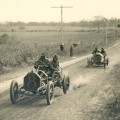
Auto racing in the United States is more than just a sport; it is a vibrant cultural phenomenon that captivates millions of fans across the nation. From the roar of engines to the thrill of high-speed competition, auto racing events have become a staple of American entertainment. The history of auto racing in the U.S. dates back to the early 20th century, evolving from informal races on dirt roads to highly organized events that draw massive crowds and significant media attention. The popularity of famous auto racing events such as the Indianapolis 500 and the Daytona 500 showcases the deep-rooted passion for speed and competition in American culture.
These events not only highlight the skill and bravery of drivers but also serve as a platform for automotive innovation and engineering excellence. Fans gather to witness not just a race, but a celebration of teamwork, strategy, and the relentless pursuit of victory. As we delve deeper into the world of U.S. auto racing, we will explore some of the most iconic events that have shaped this thrilling sport. Each event carries its own unique history, traditions, and fanfare, making them essential highlights on the annual sports calendar.
Whether you are a seasoned enthusiast or a newcomer to the sport, understanding these events is key to appreciating the rich tapestry of auto racing in America.
The Indianapolis 500: A Legendary Tradition
The Indianapolis 500, often referred to as the Indy 500, is not just an auto racing event; it is a cultural phenomenon that has captivated audiences since its inception in 1911. Held annually at the Indianapolis Motor Speedway, this prestigious race is part of the IndyCar Series and is celebrated for its rich history and thrilling competition.History of the Indy 500
- The inaugural race took place on May 30, 1911, and was won by Ray Harroun, who drove a Marmon Wasp.
- Over the years, the event has evolved significantly, introducing innovations such as the use of rearview mirrors and advanced aerodynamics.
- The race has been held continuously except for a few interruptions, including during World War I and World War II.
Significance of the Indy 500
- The race is often dubbed "The Greatest Spectacle in Racing," highlighting its status in the motorsport community.
- Winning the Indy 500 is considered one of the highest achievements in auto racing, with drivers like A.J. Foyt, Rick Mears, and Helio Castroneves becoming legends through their victories.
- The event also serves as a platform for automotive innovation, with manufacturers showcasing cutting-edge technology and engineering prowess.
Its blend of history, competition, and community makes it a must-see event for racing enthusiasts and casual fans alike. Whether you are watching from the grandstands or tuning in from home, the excitement of this legendary tradition is undeniable.
Daytona 500: The Great American Race
The Daytona 500, often referred to as The Great American Race, is one of the most prestigious and celebrated auto racing events in the United States. Held annually at the Daytona International Speedway in Daytona Beach, Florida, this race marks the beginning of the NASCAR Cup Series season and attracts millions of fans both in-person and through television broadcasts.First held in 1959, the Daytona 500 has a rich history that reflects the evolution of American motorsports. The inaugural race was won by Lee Petty, and since then, it has grown into a cultural phenomenon, showcasing not only thrilling racing but also a unique blend of entertainment and tradition.The event typically takes place on the last Sunday in February, coinciding with the start of spring and the excitement of a new racing season.
Significance in NASCAR
The Daytona 500 is often considered the crown jewel of NASCAR events. Winning this race is a dream for many drivers, as it symbolizes excellence and achievement in the sport. The race features a grueling 500-mile distance, which tests both the skill of the drivers and the endurance of their vehicles. With its high speeds and close finishes, it has produced some of the most memorable moments in racing history.- Record Wins: Richard Petty, Dale Earnhardt, and Jeff Gordon are among the legends who have claimed victory multiple times at this iconic event.
- Fan Engagement: The Daytona 500 attracts a diverse audience, from die-hard racing fans to casual spectators, making it a significant event for sponsors and media alike.
- Cultural Impact: Beyond racing, the event features pre-race festivities, including concerts and celebrity appearances, further solidifying its status as a major cultural event.
Its legacy continues to grow each year, drawing attention from around the globe and ensuring its place as a cornerstone of NASCAR history.
Le Mans: The American Connection
The Le Mans race, officially known as the 24 Hours of Le Mans, is one of the most prestigious and grueling auto racing events in the world. Held annually in France, this endurance race has a rich history dating back to 1923. While it is a European event, the connection to American teams and manufacturers is profound and significant.American teams have made their mark at Le Mans, showcasing their engineering prowess and competitive spirit. Notable entries include:- Ford GT40: Perhaps the most iconic American entry, the Ford GT40 dominated the 1960s, famously defeating Ferrari in a historic rivalry.
- Porsche 917: Although a German car, it was driven by American legends like Steve McQueen in the film "Le Mans," further solidifying its connection to American culture.
- Corvette Racing: With multiple class wins, Corvette has become synonymous with American endurance racing at Le Mans.
Teams like Chip Ganassi Racing and Action Express Racing have not only competed but have also brought home victories, enhancing the prestige of American motorsport on an international stage.Moreover, the allure of Le Mans has inspired countless American drivers to pursue careers in endurance racing. The race serves as a proving ground for talent, where drivers like Dan Gurney , Bobby Rahal , and more recently, Jordan Taylor , have left their mark.In conclusion, the connection between American teams and the Le Mans race is a testament to the global nature of auto racing events. It highlights how competition transcends borders, fostering a spirit of camaraderie and innovation that continues to drive the sport forward.
The Coca-Cola 600: A Test of Endurance
The Coca-Cola 600 stands as one of the most grueling and celebrated auto racing events in the United States, particularly within the realm of NASCAR. Held annually at the Charlotte Motor Speedway in North Carolina, this endurance race is unique not only for its length but also for its strategic demands on drivers and teams alike.First run in 1960, the Coca-Cola 600 has evolved into a hallmark of NASCAR's schedule, taking place on Memorial Day weekend.The race spans a daunting 600 miles, which translates to 400 laps around the 1.5-mile oval track. This extensive distance tests not only the speed of the cars but also the stamina and skill of the drivers, making it a true test of endurance.
What Makes the Coca-Cola 600 Unique?
- Length and Strategy: Unlike most NASCAR races that typically range from 300 to 500 miles, the Coca-Cola 600 requires teams to develop intricate strategies for fuel management, tire wear, and driver stamina.
- Day to Night Transition: The race begins in daylight and often concludes under the lights, adding an extra layer of complexity as track conditions change throughout the event.
- Fan Engagement: The Coca-Cola 600 is known for its festive atmosphere, featuring pre-race concerts and various fan activities that enhance the overall experience.
Formula Drift: The Art of Drifting in America
Formula Drift, often referred to as Formula Drift USA, has emerged as a premier auto racing event that showcases the thrilling art of drifting.This motorsport discipline, which involves intentionally oversteering a car while maintaining control, has captivated audiences across the nation. Since its inception in 2004, Formula Drift has transformed from a niche activity into a mainstream spectacle, drawing in fans and participants alike.One of the key aspects that sets Formula Drift apart from traditional racing is its emphasis on style and technique rather than just speed. Drivers are judged on their ability to execute precise maneuvers while maintaining a high level of control and flair. The competition format typically includes qualifying rounds followed by tandem battles, where two drivers drift side by side, showcasing their skills in real-time.
The Appeal of Drifting Events
The appeal of drifting events like Formula Drift lies not only in the adrenaline-pumping action but also in the community it fosters.Fans are drawn to the unique culture surrounding drifting, which celebrates creativity and individuality. Each driver brings their own style to the track, often customizing their vehicles to reflect personal tastes and performance needs.
- Accessibility: Unlike many traditional motorsports, drifting events are often more accessible to fans. Spectators can get up close to the action, experiencing the roar of engines and the smell of burning rubber.
- Diverse Locations: Formula Drift events take place at various iconic venues across the U.S., from urban streets to racetracks, making each event a unique experience.
- Community Engagement: The drifting community is known for its camaraderie, with fans and drivers often interacting through social media and at events.
Pikes Peak International Hill Climb: The Race to the Clouds
The Pikes Peak International Hill Climb, often referred to as the "Race to the Clouds," is one of the most iconic auto racing events in the United States.Established in 1916, this annual hill climb takes place on the Pikes Peak Highway in Colorado, covering a challenging course of 12.42 miles with 156 turns and an elevation gain of over 4,720 feet. The race culminates at the summit of Pikes Peak, which stands at an impressive 14,115 feet above sea level.What sets the Pikes Peak race apart from other hill climb events is its unique combination of asphalt and gravel surfaces. This diverse terrain tests not only the speed but also the skill and adaptability of drivers as they navigate through changing conditions. The event has evolved significantly over the years, attracting a wide range of vehicles from motorcycles to electric cars, showcasing advancements in automotive technology.
Significance in Motorsport History
The Pikes Peak International Hill Climb holds a special place in motorsport history, often serving as a proving ground for new technologies and innovations.Many manufacturers use this event to test their latest models under extreme conditions. For instance, in recent years, electric vehicles have made a significant impact on the race, with teams pushing the boundaries of performance and sustainability.
- Historic Wins: The race has seen legendary drivers like Ari Vatanen and Sébastien Loeb claim victory, each setting records that stand as benchmarks in the sport.
- Community Engagement: The event draws thousands of spectators each year, fostering a vibrant community of motorsport enthusiasts who celebrate speed and engineering excellence.
- Challenges: Drivers face not only the physical demands of racing but also the mental challenges posed by high altitude and rapidly changing weather conditions.
NASCAR vs. IndyCar: A Comparison of Auto Racing Events
When it comes to auto racing events in the United States, two of the most prominent series are NASCAR and IndyCar.While both offer thrilling experiences for fans and drivers alike, they differ significantly in terms of format, vehicle design, and race strategy.
NASCAR Overview
NASCAR, or the National Association for Stock Car Auto Racing, primarily features stock cars that are heavily modified versions of production vehicles. Races are typically held on oval tracks, with events like the Daytona 500 and the Coca-Cola 600 drawing massive crowds. The emphasis in NASCAR is on close-quarters racing, where drivers often compete in tight packs, leading to exciting overtakes and dramatic finishes.IndyCar Overview
In contrast, IndyCar racing showcases open-wheel cars that are designed for speed and agility. The most famous event in this series is the Indianapolis 500, known for its high speeds and strategic pit stops.IndyCar races can take place on a variety of track types, including ovals, road courses, and street circuits, which adds an element of versatility to the competition.
Key Differences
- Vehicle Design: NASCAR vehicles resemble traditional cars more closely, while IndyCars are purpose-built for racing.
- Track Types: NASCAR predominantly uses oval tracks; IndyCar races on a mix of ovals and road courses.
- Race Strategy: NASCAR races often involve drafting and bumping strategies due to the close nature of the competition. In contrast, IndyCar races require precise handling and pit strategy due to varying track conditions.
FAQs About Famous Auto Racing Events in the U.S.
When it comes to auto racing events in the United States, enthusiasts often have a plethora of questions. Here are some frequently asked questions that can help clarify the excitement surrounding these iconic races.What are the most famous auto racing events in the U.S.?
The United States hosts several renowned auto racing events, including:- The Indianapolis 500: Known as "The Greatest Spectacle in Racing," this event takes place annually at the Indianapolis Motor Speedway.
- The Daytona 500: This is the premier event of the NASCAR Cup Series, held at Daytona International Speedway.
- Le Mans 24 Hours: Although originally a French event, the U.S.
has its own version that attracts international teams and drivers.
- The Monaco Grand Prix: While not held in the U.S., many American fans flock to this Formula 1 race due to its prestige.
How can I attend an auto racing event?
Attending an auto racing event is relatively straightforward:- Check the official website of the event for dates and ticket availability.
- Purchase tickets online or at authorized outlets.
- Plan your travel and accommodation in advance, especially for popular events like the Indianapolis 500.
What should I know before attending an auto racing event?
Before you head out to an auto racing event, consider these tips:- Arrive early: This allows you to find parking and explore vendor areas.
- Dress appropriately: Wear comfortable clothing and shoes, as you may be on your feet for long periods.
- Stay hydrated: Bring water or purchase drinks on-site to stay refreshed throughout the day.
Conclusion: The Thrill of Auto Racing Events in America
In conclusion, auto racing events in the United States are not just competitions; they are a celebration of speed, engineering, and the spirit of competition. From the roaring engines at the Indianapolis 500 to the high-octane thrills of NASCAR races, these events capture the hearts of millions and showcase the rich tapestry of American motorsport culture.The diversity of auto racing events across the country highlights the various forms of racing that appeal to different audiences. Whether it’s the precision and strategy of Formula 1, the endurance challenges of Le Mans, or the grassroots excitement found in local dirt track races, each event contributes to a vibrant community that thrives on passion and adrenaline.Cultural Significance
- Community Engagement: Many auto racing events foster a sense of community, bringing together fans from all walks of life to share in their love for speed.
- Economic Impact: These events also have significant economic implications, driving tourism and supporting local businesses.
- Innovation: The technology developed for these races often spills over into consumer vehicles, pushing the boundaries of automotive engineering.
The roar of engines and the cheers from the stands will remain a staple of American culture, ensuring that auto racing holds a special place in our hearts for years to come.